The Last Mile of Copper: Mapping Your Street Before the Network Moves On
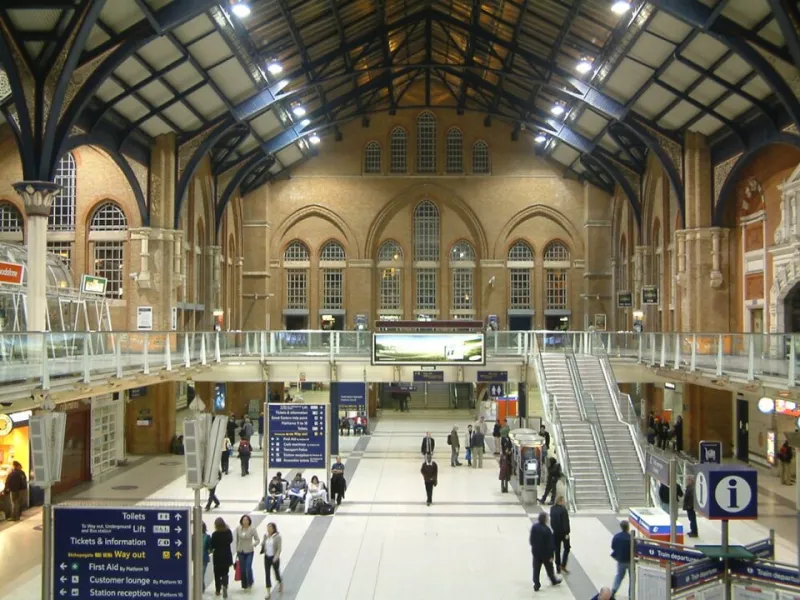
Photo: Tagishsimon, CC BY-SA 3.0, via Wikimedia Commons
For three decades, the assumption behind almost every business broadband decision in Britain was the same: whatever was under your street determined your options. That era is ending. Openreach's programme to retire the copper network means that by the early 2030s, the old telephone infrastructure that carried calls and data to millions of premises will be progressively switched off — and the withdrawal will not happen uniformly.
Some business parks will have full fibre available now, while a retail parade two miles away may still be waiting for a build date. Understanding where your premises sit on that map is fast becoming a commercial necessity rather than a technical curiosity.
Why the Switch-Off Is a Patchwork, Not a Switch
The copper retirement is being managed exchange by exchange, and in some cases street by street. Openreach's approach is to stop selling copper-based products in an area once fibre coverage reaches a threshold, then withdraw the legacy services entirely on a published timetable. This creates what might be called a cliff edge in slow motion: a business can go from having a functioning, if ageing, connection to facing a hard deadline with no like-for-like replacement.
The practical consequence is that two similar SMEs in the same town can face very different realities. One may already be able to order a 900Mbps FTTP circuit; the other may be staring at the end of its ADSL or FTTC service with no fibre build scheduled for another 18 months.
Step One: Establish Your Actual Position
Before making any decisions, businesses should establish three facts:
- Fibre availability at your postcode. Check not only whether FTTP is live, but whether it is in build or merely planned. These are materially different stages.
- Your exchange's copper withdrawal status. Openreach publishes stop-sell dates and withdrawal timetables; your provider should be able to confirm where your exchange sits.
- Any alternative infrastructure. Full fibre from an altnet, cable broadband, or even a leased line may be available where Openreach's footprint has not yet reached.
A five-minute check today can prevent a frantic scramble in two years' time.
Step Two: Use the Transition Window
Businesses with time before their copper deadline have leverage they should not waste. Providers are actively competing for migration customers, and contract terms available during a transition period are frequently more generous than those offered in a rush.
When negotiating, look beyond the headline speed. Confirm service level agreements — fault-fix times matter far more to a business than a promotional discount — and check whether static IP addresses, which many firms rely on for remote access and VoIP systems, are included. It is also worth asking for a migration date guarantee in writing; being told your fibre order is 'in progress' is not the same as having an install booked.
Step Three: Beware the Stranded Connection
The worst outcome is not slow broadband. It is a legacy service that still technically works but which nobody will maintain. As copper assets are decommissioned, fault repair on remaining lines becomes slower and eventually ceases. A business that waits until its line fails to act may find the replacement lead time measured in weeks — a period during which card payments, customer calls, and cloud systems are all unavailable.
Firms in areas where fibre is not yet available should plan a contingency now. Options include 4G or 5G failover, satellite broadband as a stopgap, or a temporary mobile broadband arrangement with a defined trigger point for migration.
A Question of Timing, Not Panic
The copper switch-off is not a reason for alarm; it is a reason for a diary entry. Businesses that map their local rollout, understand their deadline, and negotiate from a position of preparation will find the transition straightforward. Those that assume the network will always be there are the ones who will feel the cliff edge.