Moving Office? The Five Broadband Blunders That Leave Businesses Offline on Day One
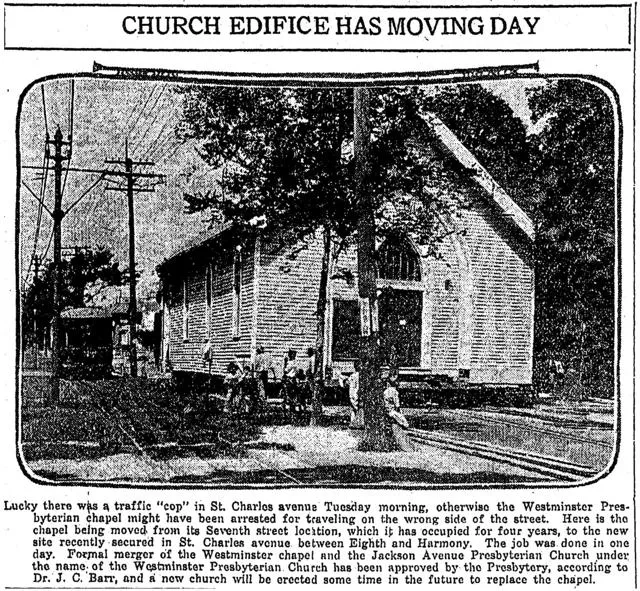
Photo: Staff of the Picayune or related paper., Public domain, via Wikimedia Commons
Ask any business owner about their worst relocation experience and the stories follow a familiar pattern. The new premises are beautiful, the removal vans have gone, and the team is ready to work — except there's no broadband, no phone lines, and no firm date for either. Having watched countless SMEs navigate this process, we've identified five mistakes that account for the overwhelming majority of relocation communications disasters. None of them are exotic. All of them are avoidable.
Mistake One: Ordering the Line When You Get the Keys
This is the most common error by a considerable margin. Business broadband installations typically take between two and four weeks from order to activation — sometimes longer if new infrastructure is required at the property, or if an engineer visit must be scheduled. Leased lines, which many growing firms need, can take 60 working days or more.
The moment your lease is signed should be the moment your connectivity order goes in. Better still, make broadband availability at candidate premises part of your property search itself. A perfect office with no fibre coverage for twelve months is not a perfect office.
Mistake Two: Assuming You Can Take Your Number With You
Phone numbers can usually be transferred between providers and premises, but the process — porting, in the industry's language — requires authorisation, paperwork and time. Firms that leave it until the final week frequently discover their number is stuck with the old provider, or worse, that a disconnection has been triggered and the number lost entirely.
Start the porting process at least a month before the move. Confirm in writing that the number will remain active throughout, and never let your old service be cancelled before the port completes.
Mistake Three: Letting the Old Contract Run and the New One Start Late
Overlapping contracts cost money; gaps between them cost far more. Map your existing contract's end date against your move date carefully. Some providers will transfer a service to a new address; others will treat it as a cancellation and levy early termination charges. Know which applies to you before you commit to a moving date — occasionally, it's worth timing the move to coincide with a contract's natural end.
Mistake Four: Forgetting the Physical Essentials
Connectivity needs somewhere to live. We've seen firms arrive at new premises to discover no working telephone master socket, no secure location for a router or phone system, and insufficient power outlets where the comms cabinet should go. A short site survey before the move — checking for an active phone line, adequate cabling and a sensible equipment location — costs an afternoon and prevents a fortnight of improvisation.
Mistake Five: No Contingency for the Gap
Even with immaculate planning, activation dates can slip. The businesses that weather this gracefully are those with a fallback: a 4G or 5G mobile broadband unit as a temporary connection, call forwarding to mobiles, and a cloud phone system that staff can answer from anywhere. These measures cost comparatively little and turn a potential week of silence into a minor inconvenience.
Your Relocation Timeline
Working backwards from moving day, here is the checklist we recommend:
8–12 weeks before: Check broadband availability at the new address; order connectivity; review existing contracts and termination terms; begin the number porting process.
4–6 weeks before: Arrange the site survey; plan equipment locations and cabling; arrange temporary mobile broadband if activation may slip; inform your phone system provider of the change.
2 weeks before: Confirm installation appointments in writing; set up call forwarding on existing numbers; brief staff on interim arrangements.
Moving week: Test the new connection and handsets as soon as access allows; verify inbound and outbound calling; keep the old service running until the port is confirmed complete.
Week one after: Confirm all numbers ring at the new site; update your website, Google Business Profile and stationery; decommission the old service only once everything is verified.
An Ounce of Planning
Relocation is stressful enough without a communications blackout on top. The common thread through all five mistakes is simple: connectivity treated as an afterthought rather than a foundation. Build it into the move from the first property viewing, and your new office will be answering calls from the very first morning.