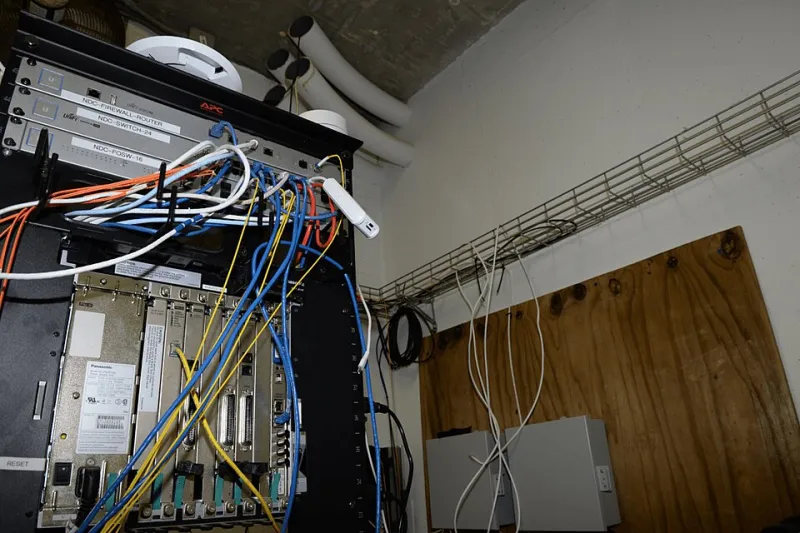
Unreachable for a Fortnight: How a Botched Number Port Can Silence a Business
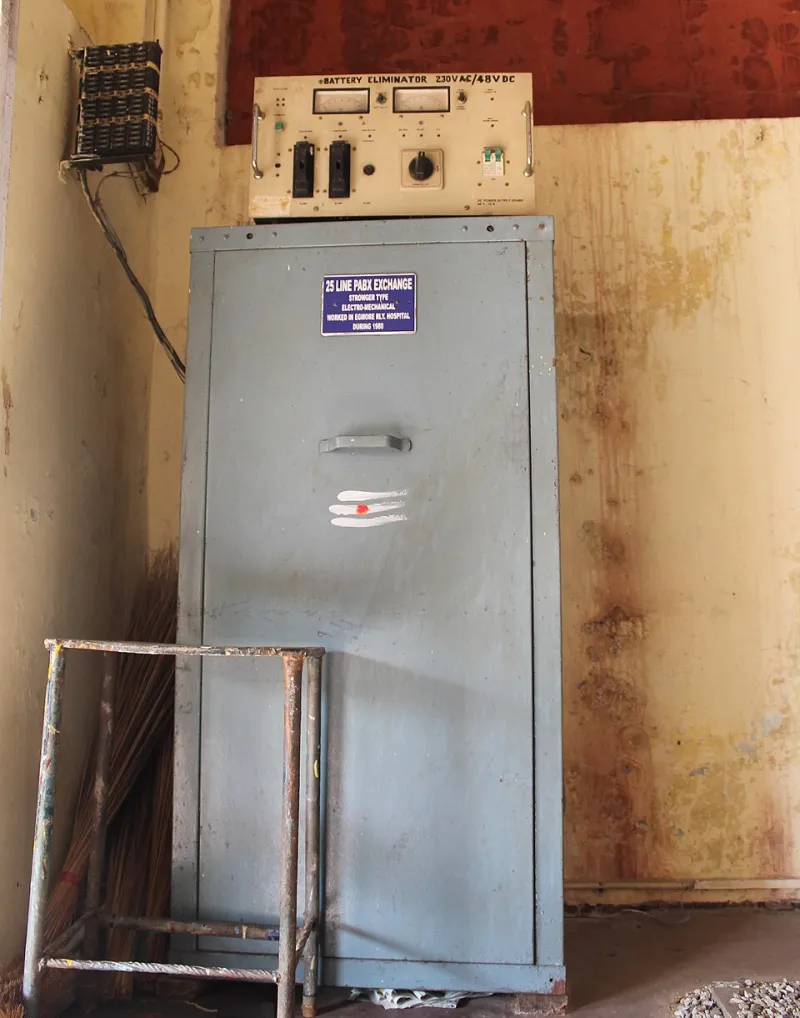
Photo: Rohini, CC BY-SA 4.0, via Wikimedia Commons
For most small businesses, the phone number on the side of the van and the bottom of every invoice is among the most valuable assets the company owns. It appears on supplier accounts, Google Business profiles, and in the memory of two decades of customers. Yet when firms migrate from ISDN or analogue lines to VoIP, that number must be formally transferred — ported — and the process is far more fragile than most realise.
A port that proceeds smoothly is invisible. A port that fails can leave a business unreachable for a week or longer, with incoming calls greeted by nothing at all.
Why Ports Get Rejected
A number port in the UK is a request passed between communications providers under industry-mandated processes. The gaining provider submits the port with a set of details about your account with the losing provider, and if any of those details do not match the incumbent's records exactly, the port is rejected.
The most common reasons are mundane:
- A name mismatch. The port is submitted in the name of the limited company, but the line is registered to a director personally — or vice versa. Even a difference such as 'Ltd' versus 'Limited' can trigger a rejection.
- An address discrepancy. The billing address on file differs from the address supplied, often because the business has moved premises without updating the line records.
- An outstanding contract or balance. If the existing provider believes the account is within a minimum term or owes money, it can decline the transfer.
- Wrong line identifiers. Analogue and ISDN lines are tied to specific circuit references. Submitting the phone number alone, rather than the underlying line identity, is a frequent error.
Each rejection adds a delay of days while the details are corrected and resubmitted. Meanwhile, the existing service may be approaching its cancellation date.
The Cutover Window
Even a successful port involves a cutover — a period, usually outside business hours, when the number moves from the old network to the new one. Handled well, this is a non-event. Handled badly, it is the moment a business discovers its SIP configuration was never properly tested, or that the losing provider has already disconnected the line before the gaining service is live.
The prudent approach is overlap: keep the old service running until the new one is confirmed working, rather than cancelling first and hoping the timings align. Reputable providers will support this; those who insist on immediate cancellation should be treated with caution.
Preparing Before You Sign
Before committing to any migration, gather the following:
- The exact account holder name as it appears on your current phone bill, character for character.
- The full billing address and the line's installation address, which may differ.
- Line identifiers for any ISDN channels or analogue circuits.
- Contract end dates with your current provider, and any notice periods you must serve.
Then put direct questions to the prospective provider: What is your port rejection rate, and what happens if the port is declined? Do you run a parallel test on the SIP service before cutover? Who is accountable during the migration window — your team or a third party?
A provider confident in its processes will answer plainly. One that waves the questions away is telling you something.
The Wider Lesson
The PSTN switch-off has pushed thousands of UK firms towards VoIP in a short period, and the industry's migration machinery is under strain. The firms that emerge unscathed are not the ones with the flashiest handsets; they are the ones that treated the port as a project — documented, scheduled, and rehearsed — rather than a formality.
Your number took years to earn. Give its transfer the respect it deserves.