From Copper to Cloud: A Step-by-Step Field Guide to Retiring Your ISDN Lines
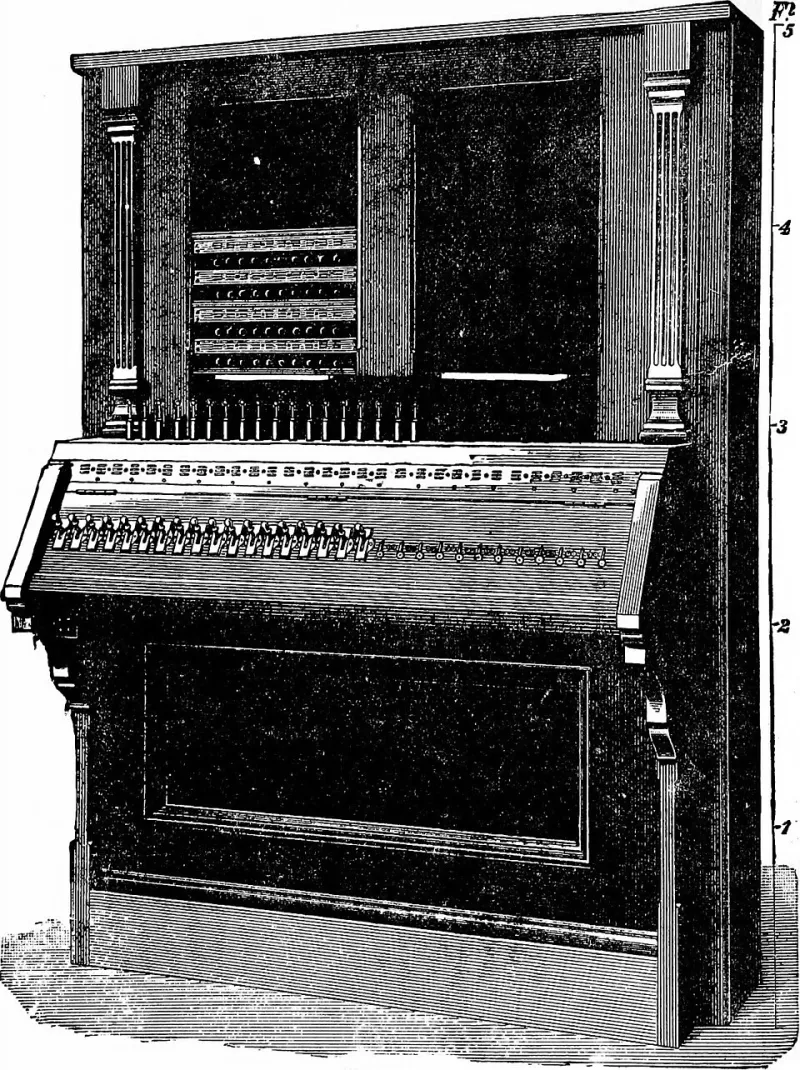
Photo: Internet Archive Book Images, No restrictions, via Wikimedia Commons
For decades, the phone system in a typical British office was a matter of copper and channels. An ISDN2e line gave you two channels; an ISDN30 gave you eight to thirty; and the phone system on the wall quietly did its job without anyone giving it a second thought. That era has ended. BT Openreach completed the withdrawal of the ISDN network, and businesses that lingered too long have found themselves hurried onto stopgap solutions — often badly chosen ones.
If your firm migrated in a rush, or if you are still untangling a legacy arrangement inherited from a previous owner, it is worth understanding what a properly engineered move to SIP trunks involves. Not the sales pitch — the plumbing.
Start With an Inventory, Not a Brochure
The most common migration failure is not technical; it is clerical. Before any conversation with a provider, establish exactly what you have:
- How many lines and channels are in service, and on what contract dates?
- Which numbers sit on those lines? Businesses frequently discover DDI ranges, fax numbers, or alarm lines nobody has thought about in years.
- What else rides on the circuit? Card machines, lift emergency lines, door entry systems and CCTV back-haul have all been found quietly plugged into ISDN ports.
A half-day spent documenting this pays for itself many times over. Every item missed at this stage becomes an outage later.
Check the Bandwidth Beneath Your Feet
SIP trunks carry voice calls across your broadband connection, so the quality of that connection becomes the quality of your phone system. As a rule of thumb, budget roughly 100 kbps per concurrent call, both ways — then add headroom.
A ten-person firm making four simultaneous calls needs modest capacity. But if the same line carries video conferencing, cloud backups and point-of-sale traffic, congestion will make itself heard as choppy audio. This is where quality of service (QoS) configuration matters: your router should prioritise voice packets above file downloads. If your current connection cannot guarantee that, address the broadband first. A SIP trunk over a poor line is simply a worse version of what you already had.
Port Your Numbers — Properly
Your phone numbers are commercial assets, and they follow a formal porting process governed by Ofcom rules. A well-run port looks like this:
- Your new provider submits a porting request with the losing provider, listing every number.
- The losing provider validates the details — names, addresses and number lists must match their records exactly.
- A port date is agreed, typically two to four weeks out.
- On the day, numbers move over, usually outside business hours.
Mismatches in the paperwork are the leading cause of delays, and a rejected or botched port can leave numbers unreachable for days. Never cancel the old service yourself before the port completes; doing so can forfeit the numbers entirely. Let the port do the cancelling for you.
Plan for the Day the Internet Drops
ISDN was fault-tolerant in one respect: it worked when the power worked and nothing else was required. SIP trunks depend on your broadband, so a credible migration includes a fail-back plan. The standard options are:
- Automatic rerouting to mobiles — the most common baseline, configured in advance so it triggers without human intervention.
- A secondary broadband connection on a different physical route, ideally from a different network operator.
- An analogue fallback line for critical equipment such as alarm diallers, which often cannot operate over IP.
Whichever you choose, test it. An untested failover is a hope, not a plan.
Rebuild the Features You Took for Granted
Legacy phone systems came with voicemail, hunt groups, hold music and caller display baked in. SIP trunks deliver raw call capacity; the features live in a hosted platform or a new on-premise system. Map each existing feature to its replacement before cutover, and brief staff on anything that behaves differently — a hunt group that rings in a different order is a small change that generates a surprising number of complaints.
The Takeaway
Migrating from ISDN is neither complicated nor expensive when it is sequenced properly: inventory, bandwidth, port, failover, features. Businesses that skipped those steps in the rush to beat the switch-off are the ones now suffering dropped calls and mystery outages. A measured, documented migration — even retrospectively, replacing an inadequate stopgap — remains entirely achievable. The copper has gone; the discipline it demanded has not.